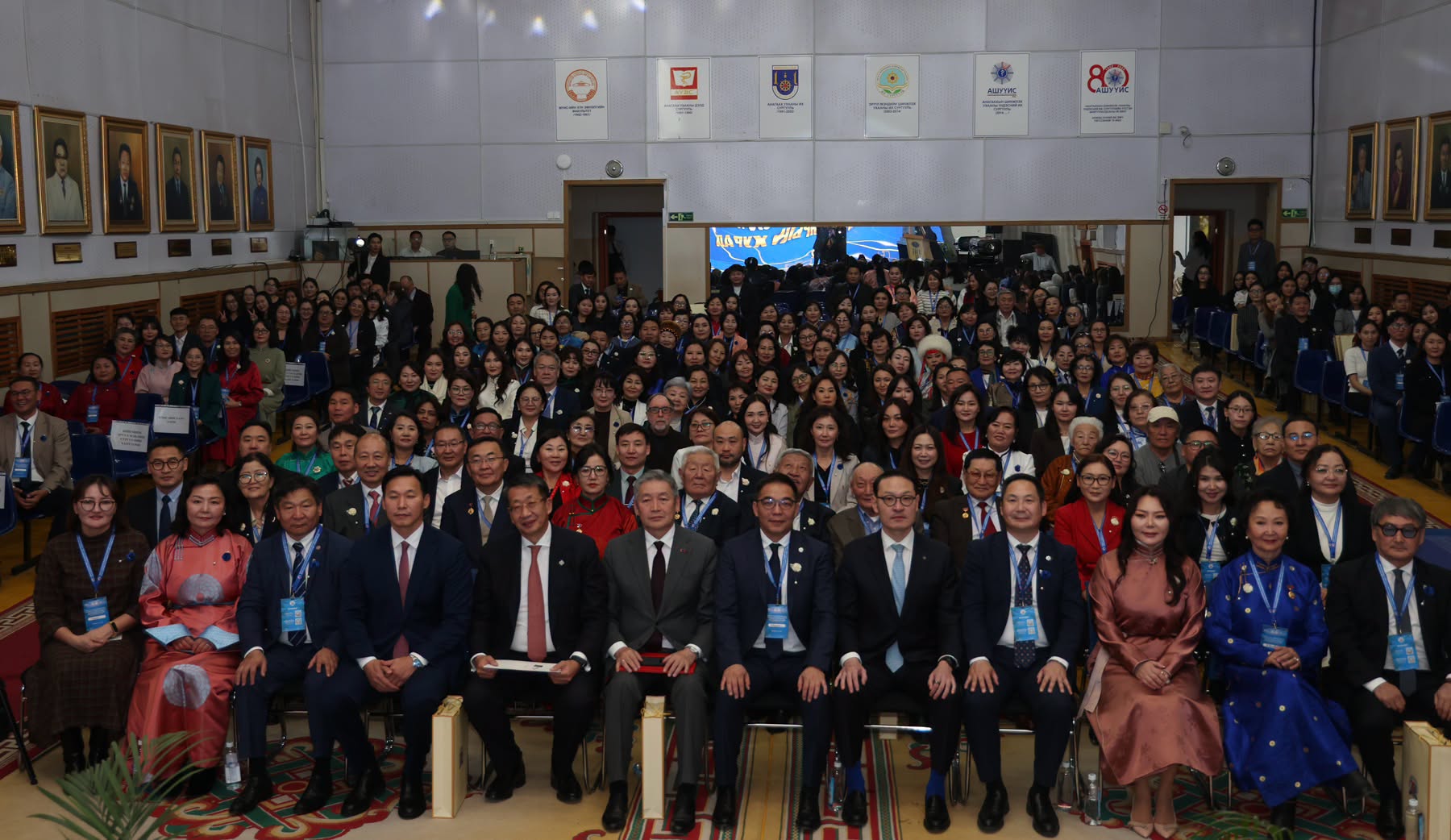
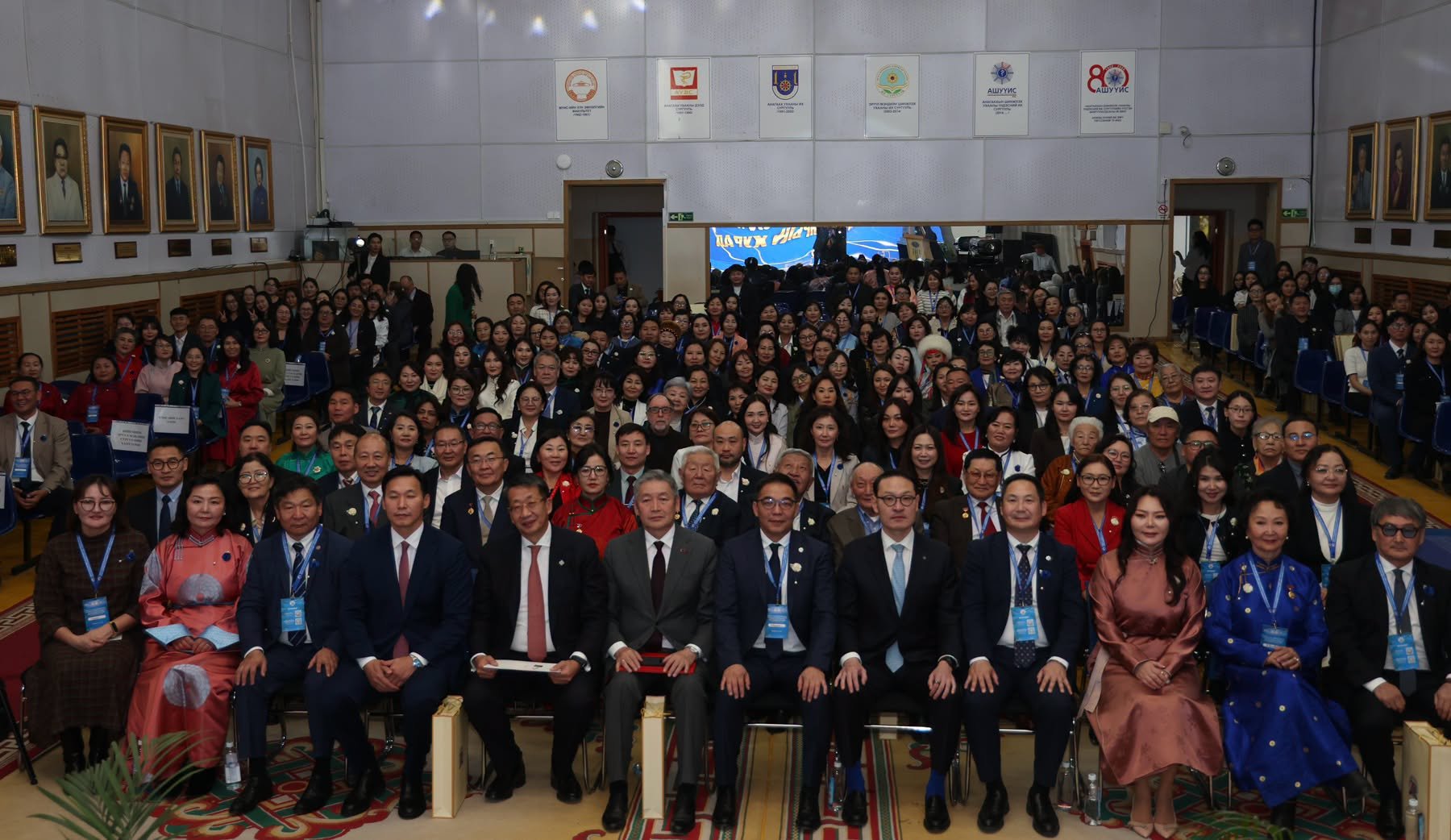
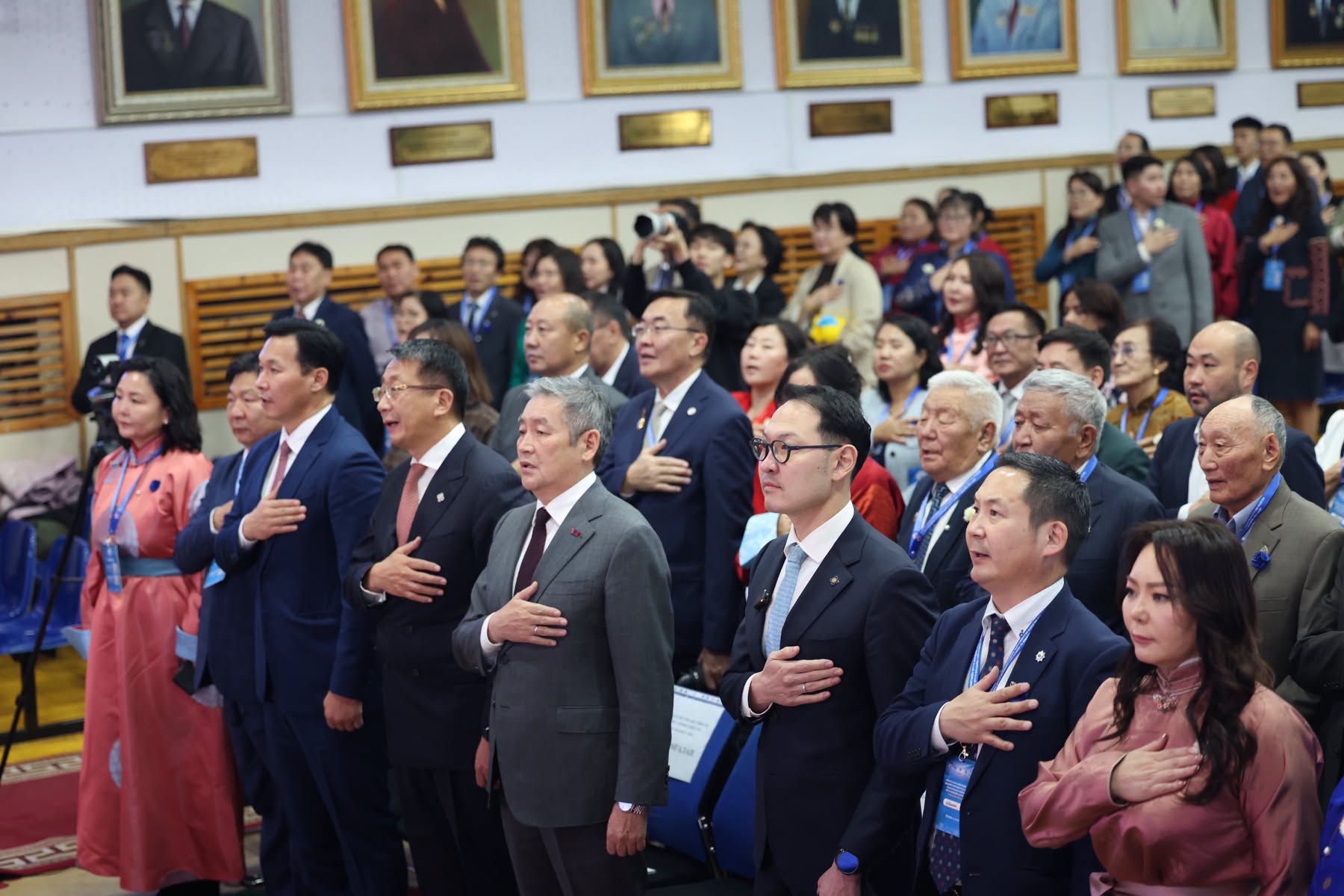
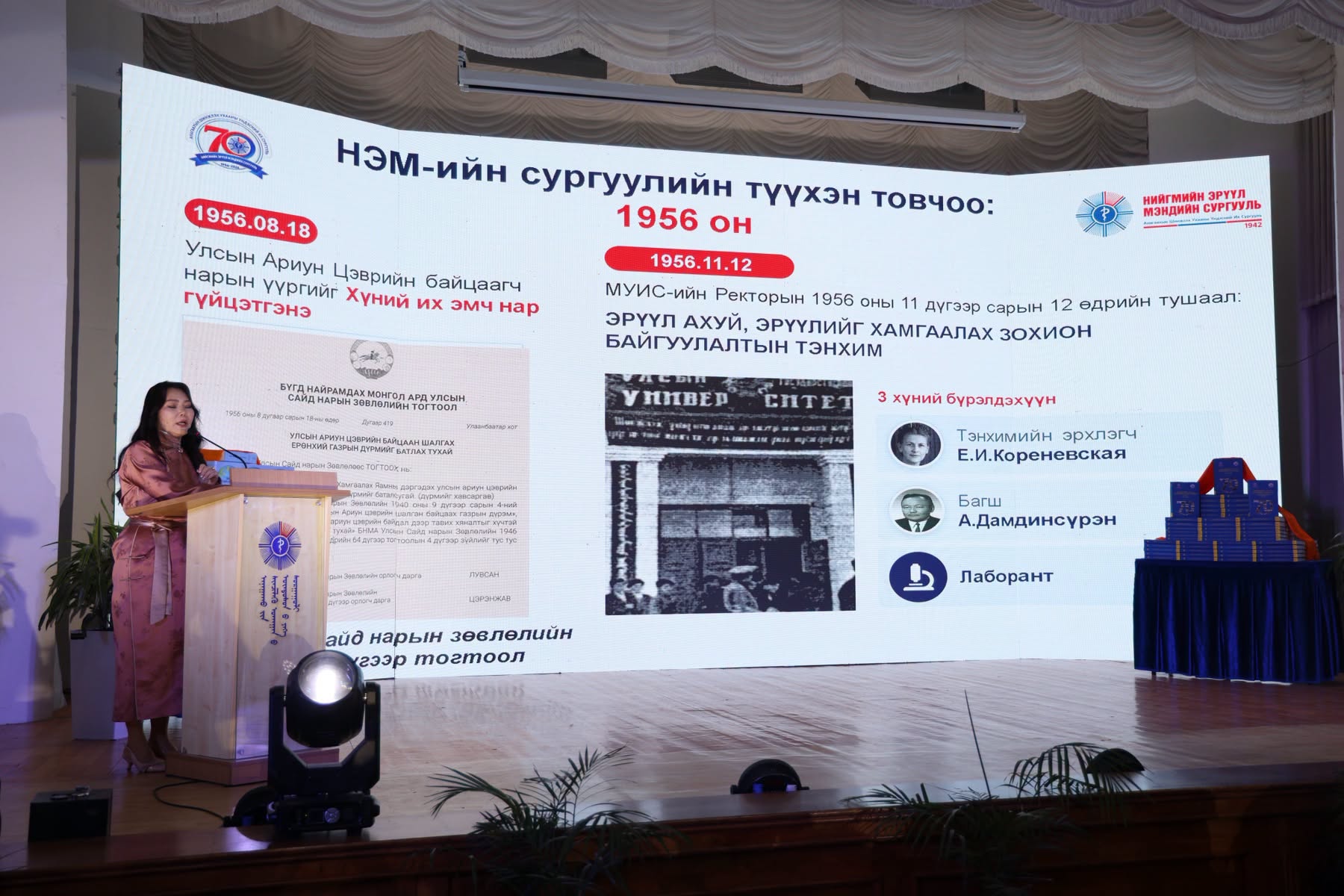
The School of Public Health at the Mongolian National University of Medical Sciences (MNUMS) is celebrating its historic 70th anniversary. Over the past seven decades since Mongolia began training public health professionals, the school has graduated thousands of specialists, researchers, and scholars who have made vital contributions to protecting population health, preventing disease, and developing science-based health policies.
More than just a chronological milestone, this 70-year legacy reflects the dedication, expertise, and institutional achievements of generations of faculty, researchers, and alumni. Rather than focusing solely on clinical treatment, the advancement of public health centers on analyzing health determinants, preventing illness, formulating evidence-based policies, and strengthening cross-sector collaboration—a mission through which the School of Public Health has played a pivotal role in shaping Mongolia's healthcare system.
During the anniversary ceremony, speakers highlighted the school’s leadership during the COVID-19 pandemic, noting its critical contributions to scientific research, epidemiological surveillance, diagnostics, and policy decision-making. To date, the institution has produced approximately 3,200 graduates, accounting for the vast majority of active public health professionals nationwide. Looking ahead, the school aims to elevate research quality, expand international partnerships, and train ethical professionals equipped with strong leadership skills.
As part of the commemorative event, distinguished professionals who have dedicated years of impactful service to the sector were awarded state orders and medals by decree of the President of Mongolia.
Addressing the faculty and staff, Minister of Education L. Enkh-Amgalan emphasized the crucial role of prevention, early detection, healthy nutrition, and educational institutions in strengthening the public health system. Reflecting on his previous tenures as Minister of Education and Science and Minister of Labor and Social Protection, he noted his work in improving the legal framework for occupational safety and health, advancing the university hospital system, and establishing school-based early health screening programs.
The Minister also highlighted that funding for school lunches for 6th and 7th graders has been included in the draft 2027 state budget, underscoring that providing nutritious, hot meals to all students from grades 1 to 12 is a vital long-term investment in a healthier future.
Furthermore, Minister L. Enkh-Amgalan announced that the Ministry of Education will resolve fixed operational funding for MNUMS and the School of Public Health, while supporting the upgrade of the Public Health Institute's laboratories to meet international standards. He also pledged to prioritize the inclusion of public health specialists in a major initiative to train 1,000 doctors, nurses, and researchers in the Republic of Korea.
The advancement of public health serves as the foundation for both population well-being and national development. Through research, evidence-based decision-making, preventive policies, and cross-sector cooperation, stakeholders reaffirmed their commitment to building a healthier future together.