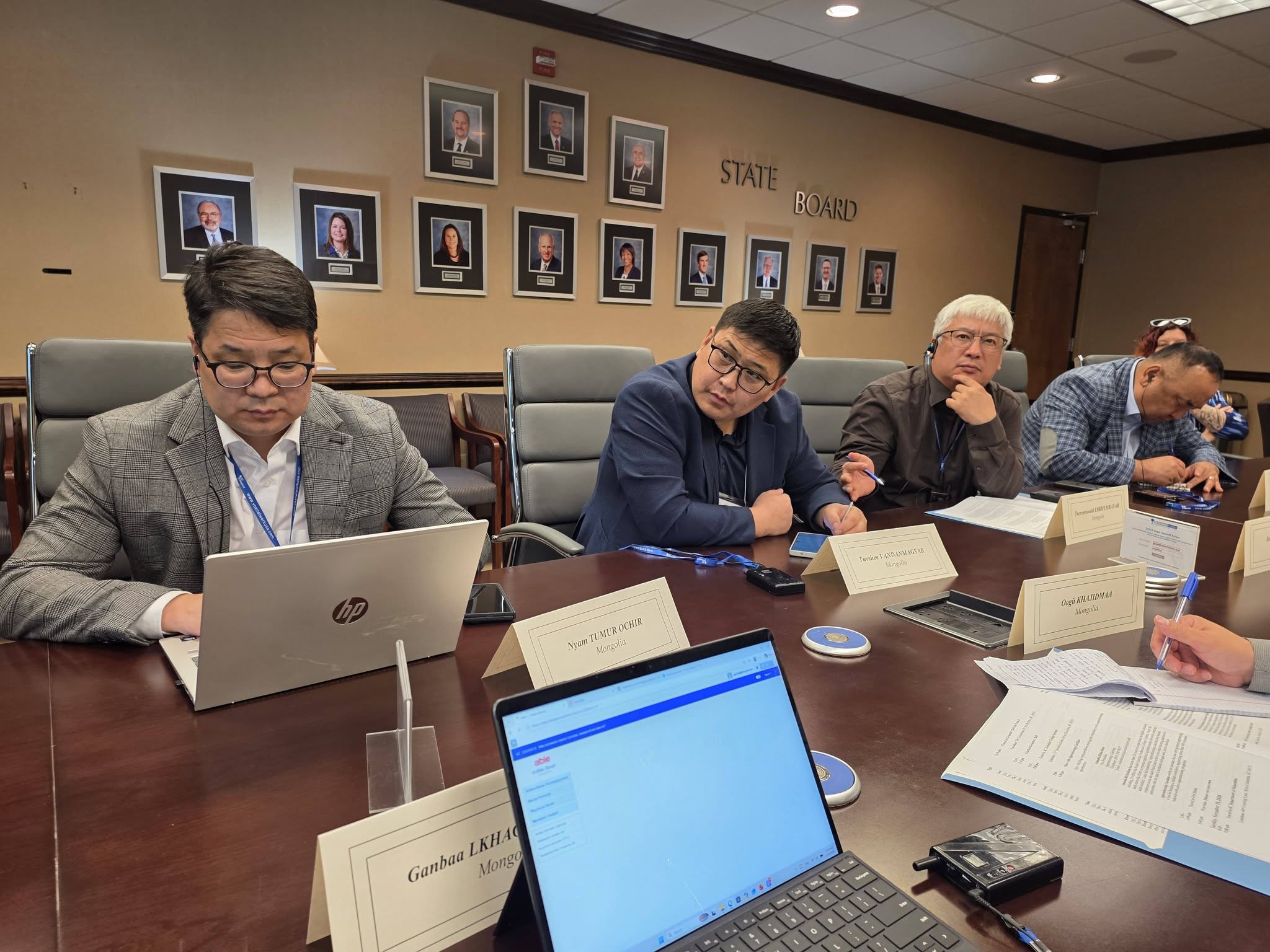


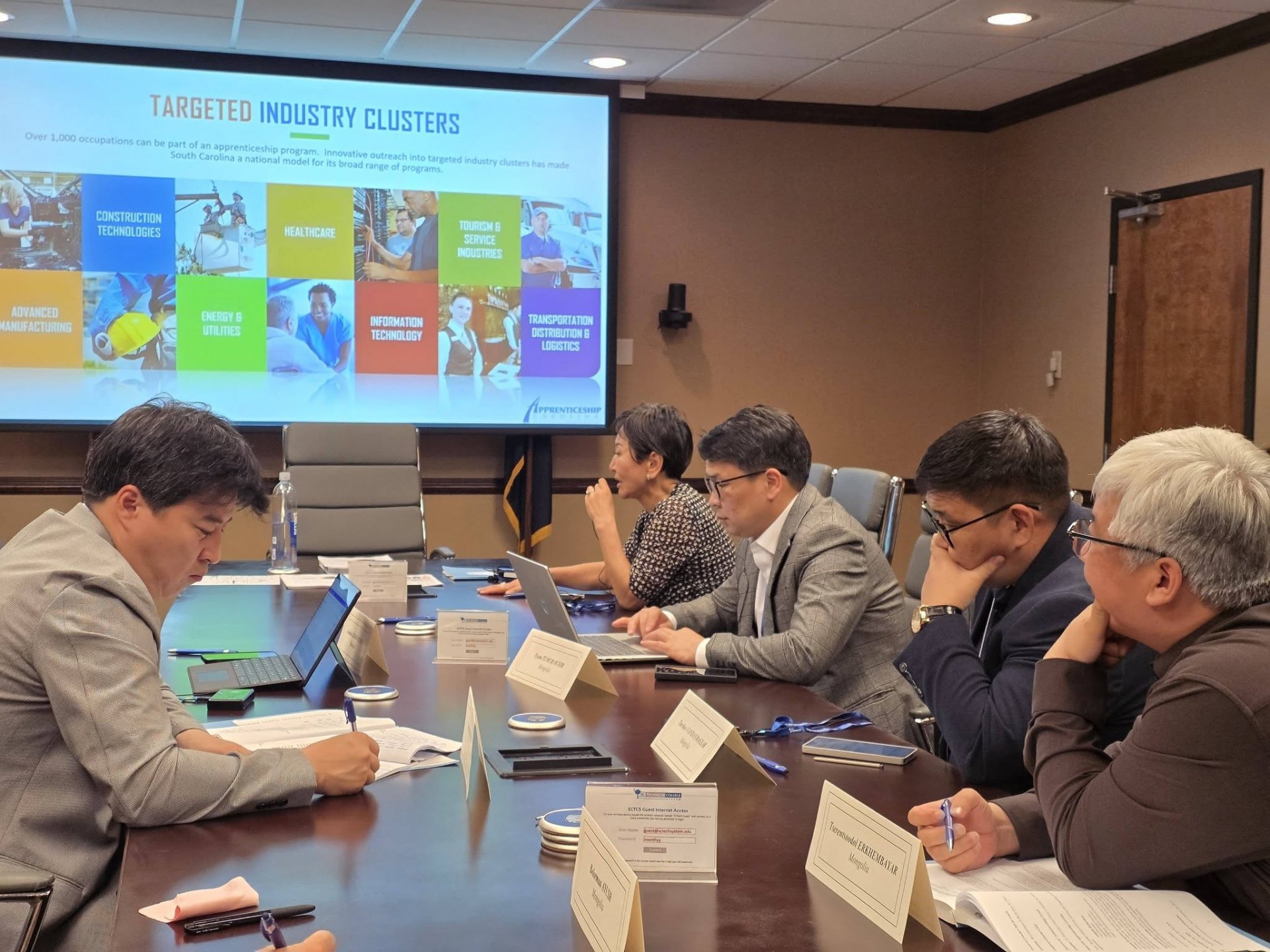
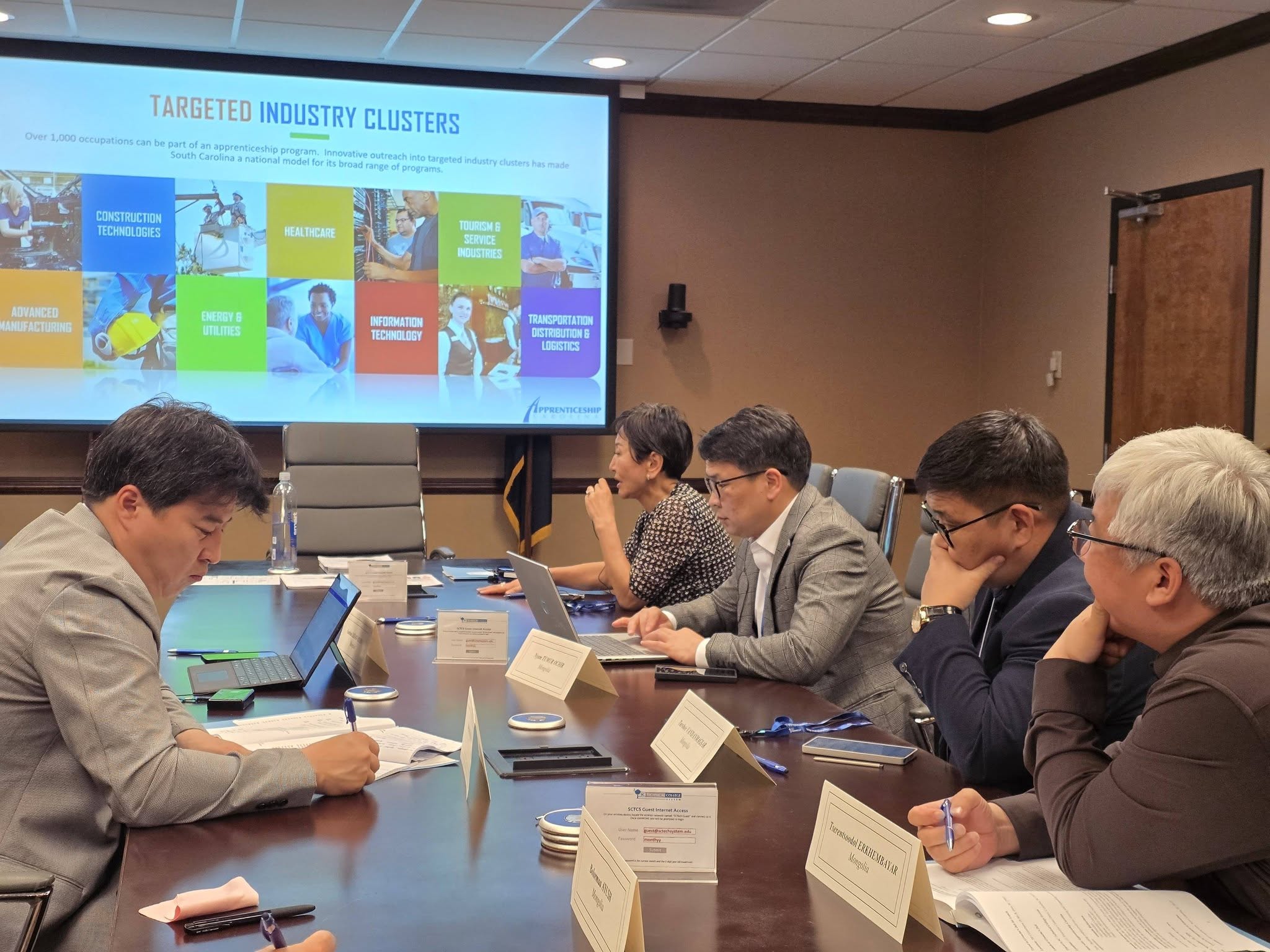
T. Nyam-Ochir, State Secretary of the Ministry of Education of Mongolia, recently met with Amanda Richardson, Vice President of Apprenticeship Carolina, a division of the South Carolina Technical College System.
During the meeting, the officials exchanged views on vocational education, demand-driven skills training systems, employer engagement, and public-private partnerships.
The South Carolina Technical College System comprises 16 public colleges dedicated to providing citizens with technical and vocational education, upskilling opportunities, and pathways to higher education. Built on close collaboration among educational institutions, employers, and government agencies, the system aims to deliver market-aligned training that develops a skilled workforce tailored to regional economic growth.
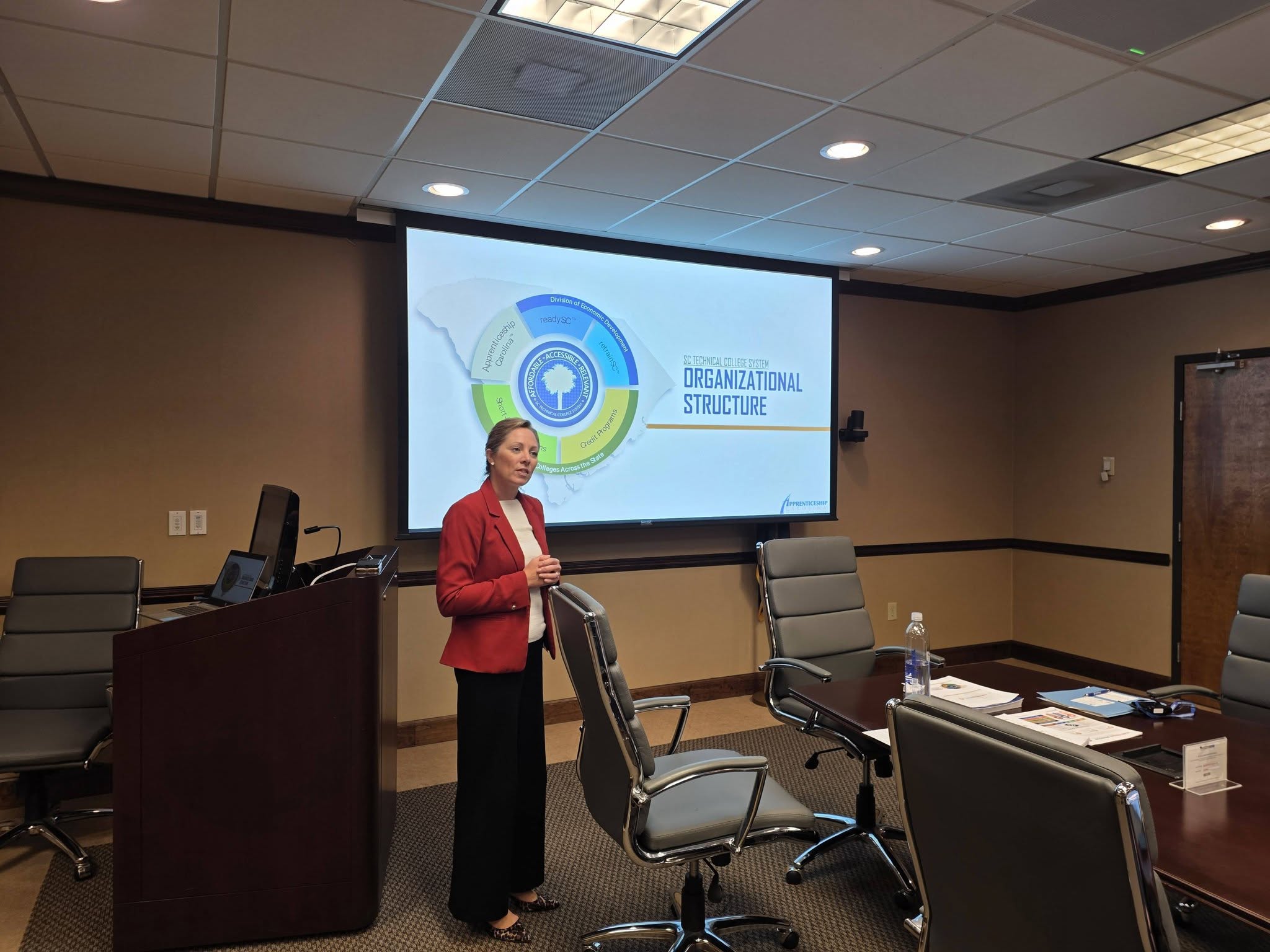
A flagship initiative of the system, Apprenticeship Carolina, operates on an "earn-while-you-learn" model, enabling participants to gain paid, on-the-job training under the mentorship of experienced professionals. Alongside hands-on work, apprentices complete relevant theoretical coursework, receive progressive wage increases as their skills advance, and earn a nationally recognized credential upon completion. The program opens paid apprenticeship pathways for high school students, adults, and career changers across key sectors—including manufacturing, construction, healthcare, information technology, energy, transportation, and services.
For participating businesses and organizations, the program offers a direct pipeline to train specialized workers tailored to their specific operations, technologies, and workplace needs. Key advantages for employers include higher workforce productivity, improved employee retention, reduced onboarding and training costs, and stronger succession planning. Additionally, companies that partner in the program are eligible for state tax incentives.
Adopting similar mechanisms plays a vital role in aligning vocational education with real labor market demands, boosting employer participation, expanding employment prospects for learners, and ultimately strengthening national economic competitiveness.