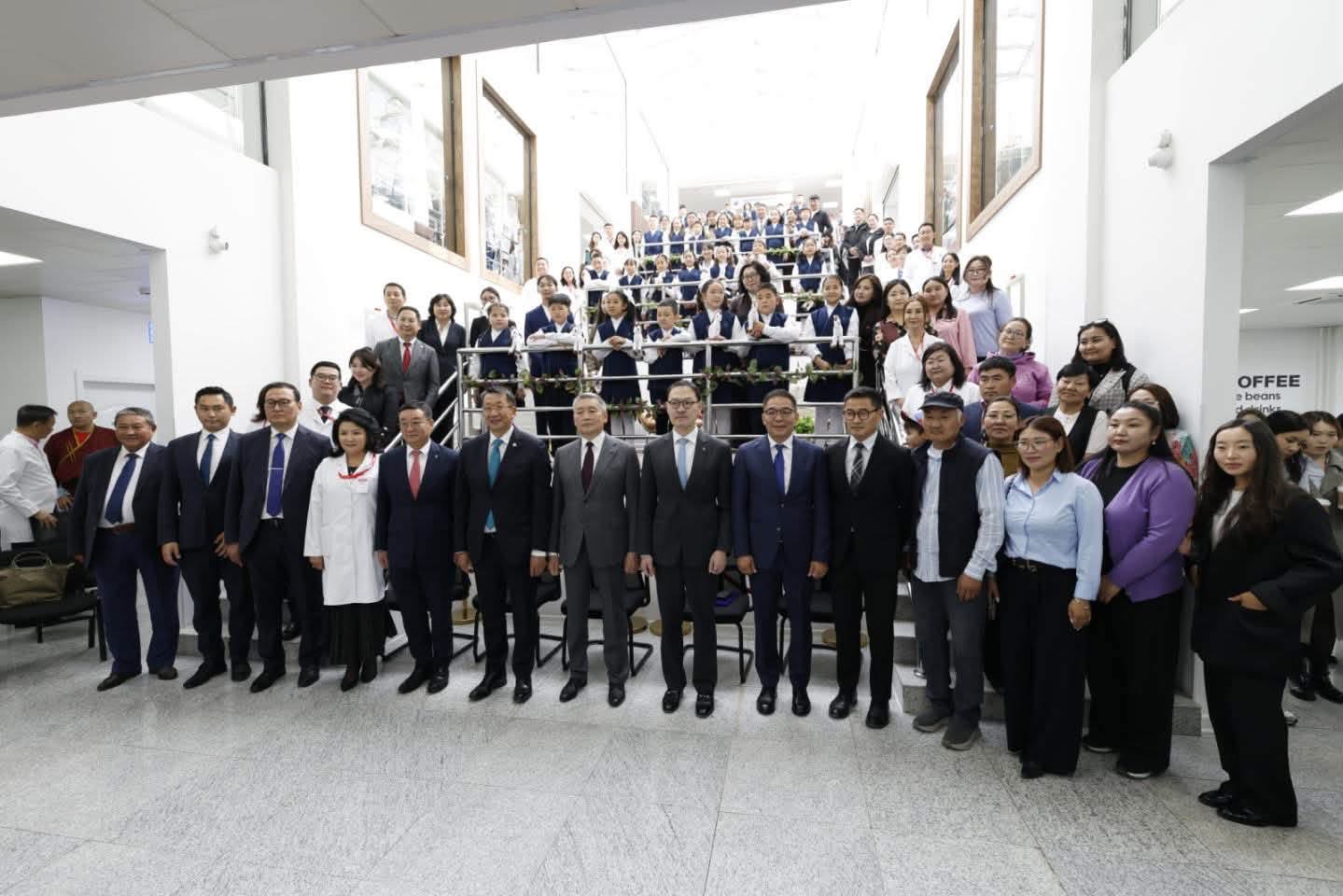
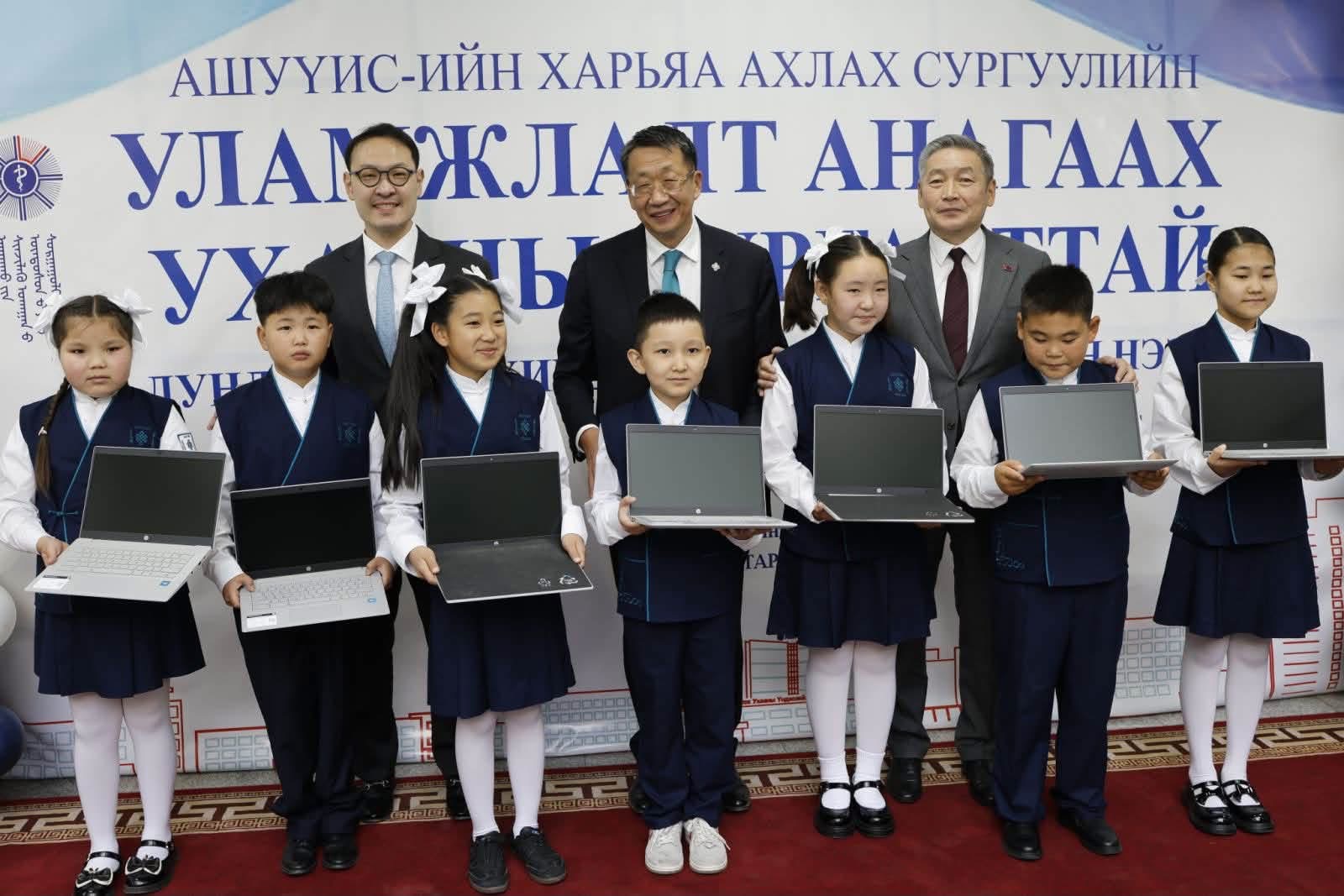
 A pilot class specializing in Traditional Mongolian Medicine has been established at the affiliated upper secondary school of the Mongolian National University of Medical Sciences (MNUMS), with classes now underway as part of efforts to pass Mongolia’s traditional medicine heritage and knowledge on to future generations and develop it in combination with modern science, technology, and innovation.
The programme, launched in the 2026–2027 academic year, currently has its first cohort of 35 students who have chosen to study traditional medicine.
One of the distinctive features of the programme is its openness to students beyond Ulaanbaatar. Mongolian children who had previously lived in Germany and Japan have returned to Mongolia and enrolled in Grade 6, while many students have also come from rural and provincial areas. This demonstrates the strong interest among children and young people in learning about, preserving, and further developing Mongolia’s traditional medicine heritage and knowledge.
The school also provides a boarding facility and a specialized learning environment, enabling students from rural areas to study consistently and fully participate in classroom and practical training.
Combining traditional medicine with the science, technology, and innovation of the modern era is an important component of the programme.
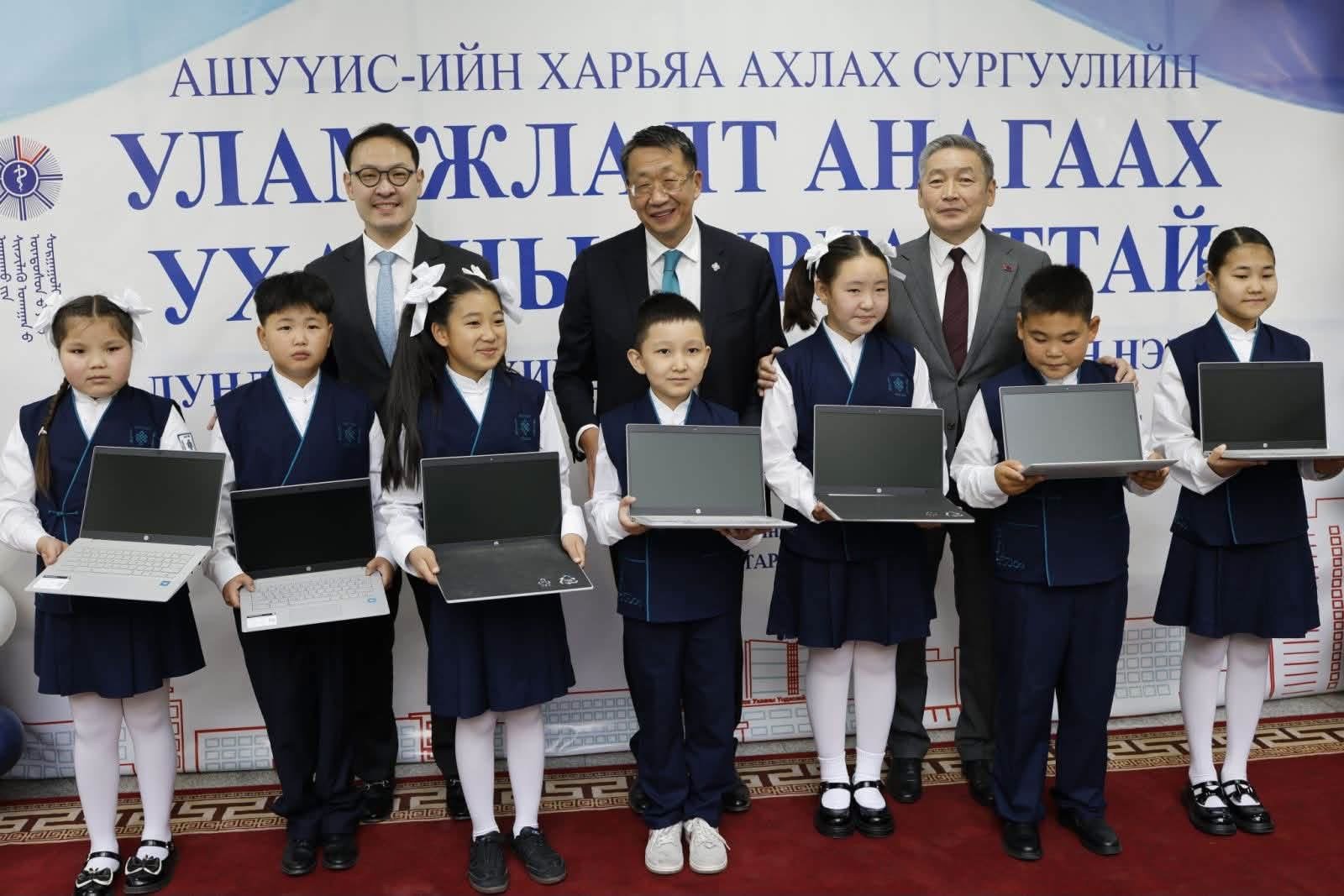
In this context, the Minister of Education presented each student with a Chromebook, providing them with opportunities to learn traditional knowledge and cultural heritage while also using modern technology and developing information-based learning and research skills.
Traditional Mongolian Medicine is a valuable heritage of history, culture, and knowledge passed down through generations. Beyond preserving this heritage, there is a need to study it on a scientific basis and further develop it in connection with modern medicine, advanced technologies, and innovation.
Accordingly, the Government is working to establish a progressive education pathway that begins with traditional medicine studies at the general education level and continues into vocational and higher education.
Students will gain an introduction to the fundamental knowledge and practices of traditional medicine and will have opportunities to continue with specialized studies and undertake practical training in clinical settings.
This marks the beginning of a new generation of education aimed at passing Mongolia’s valuable traditional medicine heritage on to young people while advancing it through integration with science, technology, and innovation.