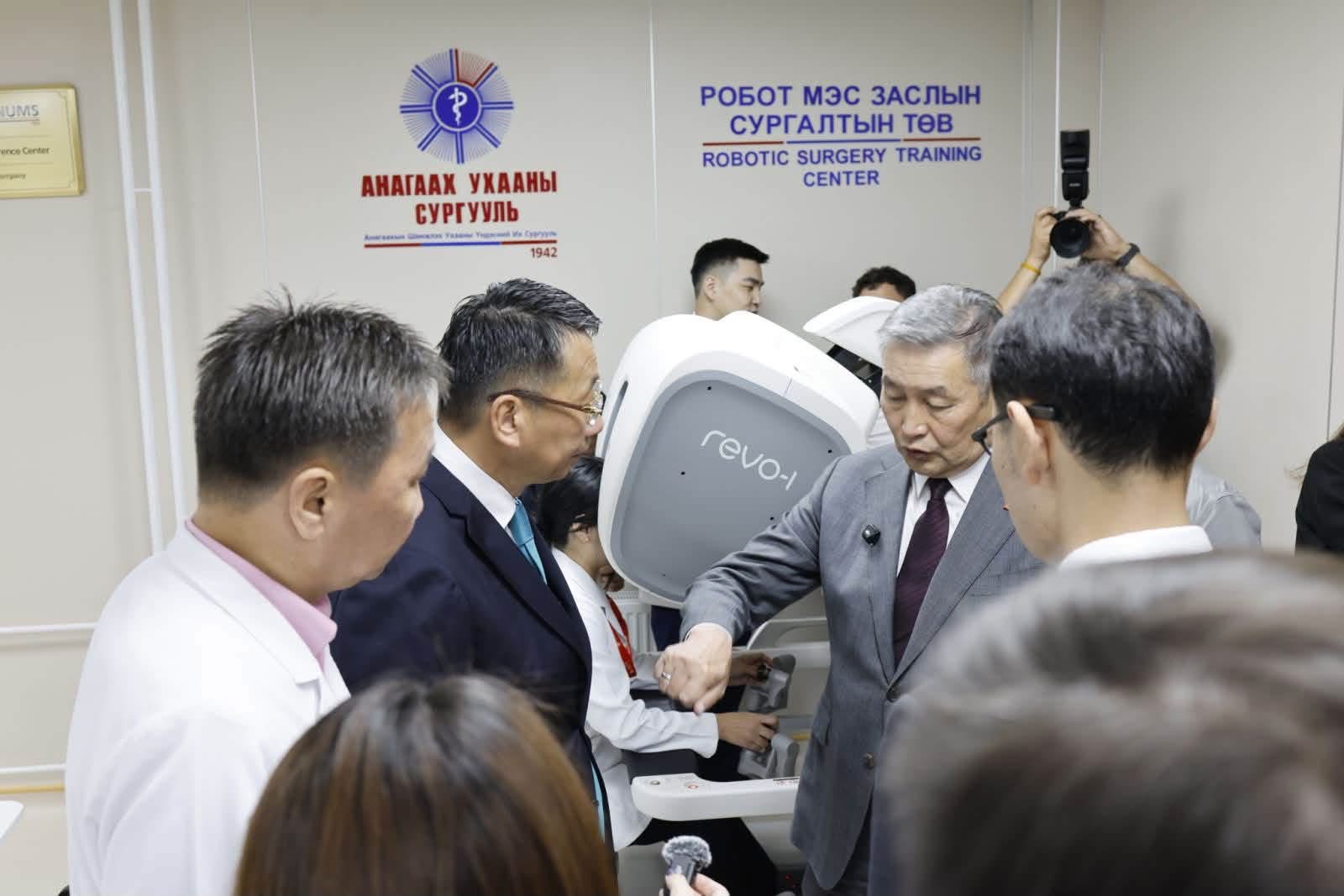
 Retaining the funds Mongolian citizens spend on medical treatment abroad and introducing advanced medical technologies in Mongolia are among the key objectives of developing a university hospital system.
According to a study on medical tourism, Mongolian citizens are estimated to have spent approximately USD 200 million on medical treatment in the Republic of Korea alone in one year. This highlights the need to expand the range of medical conditions that can be diagnosed and treated in Mongolia, develop high-cost medical services domestically, and introduce advanced medical technologies.
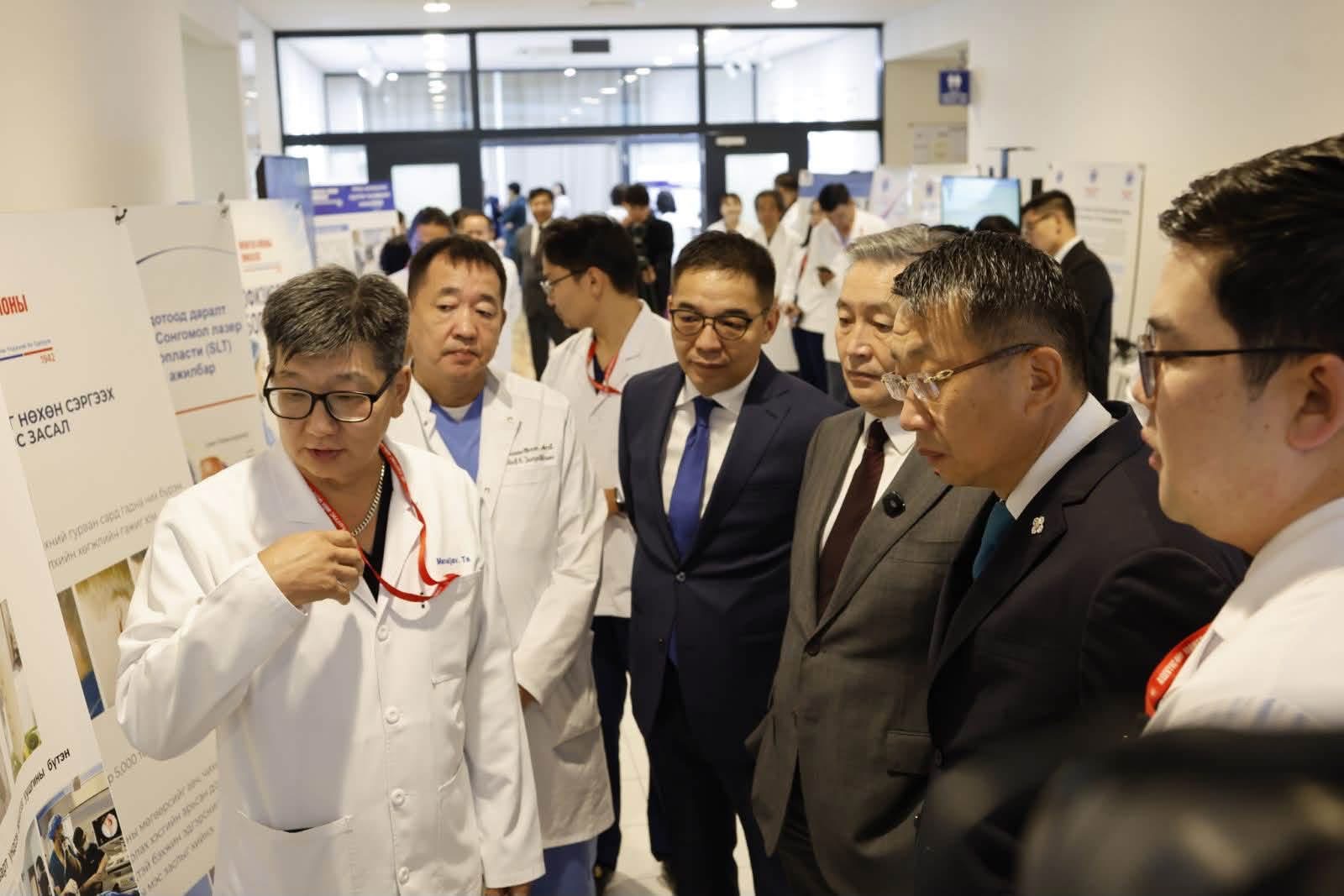
In this regard, the Mongolia-Japan Hospital of the Mongolian National University of Medical Sciences (MNUMS) has introduced 108 new technologies, integrating education, research, and clinical services.
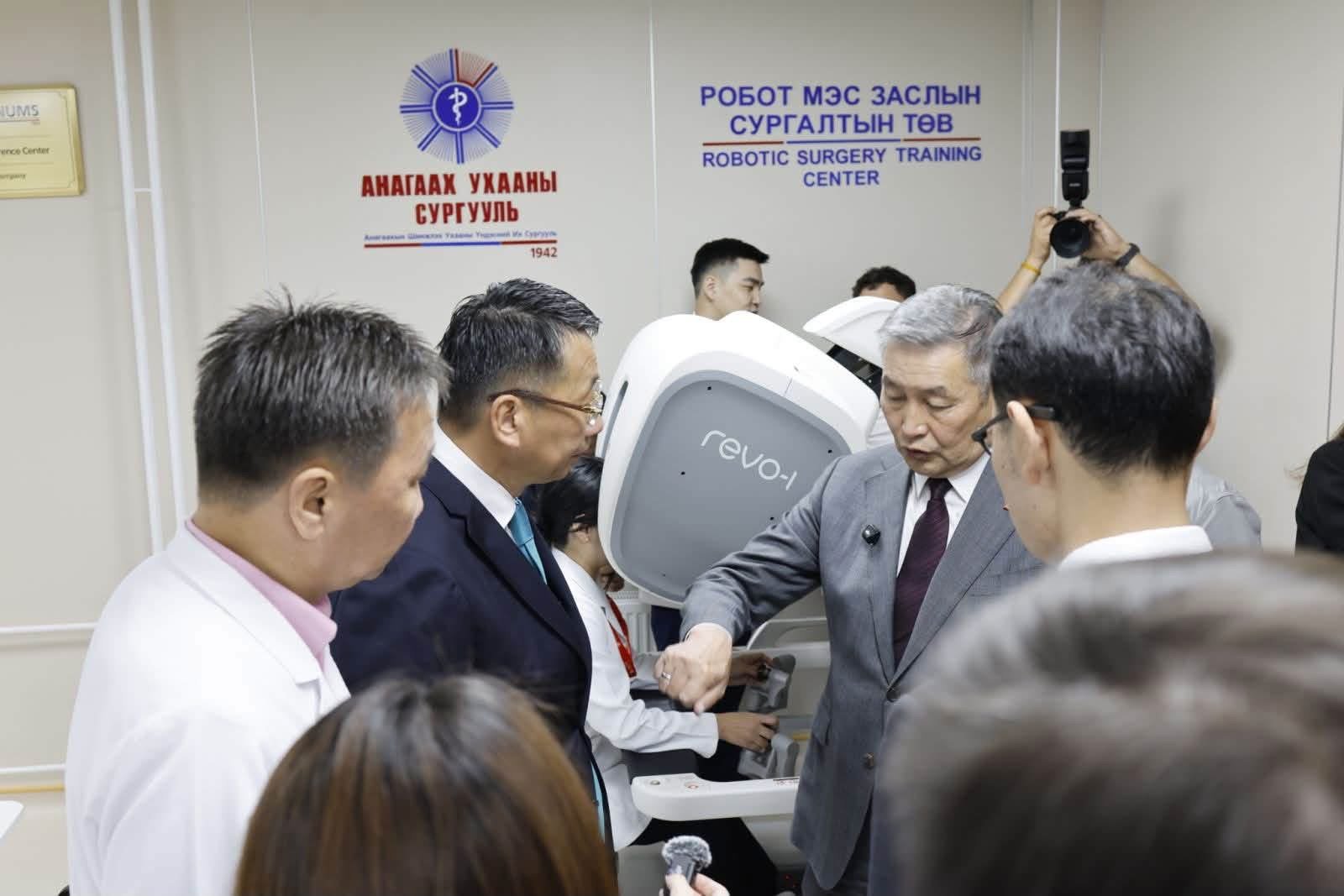
For example, the Mongolia-Japan Hospital of MNUMS introduced robot-assisted knee replacement surgery in Mongolia, and since 2026, Mongolian doctors have begun performing the procedure independently. This represents a tangible result not only of adopting advanced technology, but also of equipping Mongolian doctors and healthcare professionals with the knowledge and skills needed to apply and further localize the technology in Mongolia.
During his visit to the Mongolia-Japan Hospital, Minister of Education L. Enkh-Amgalan emphasized the importance of developing a well-structured university hospital system that integrates education, research, and clinical services.
He also noted the need to introduce new medical technologies in Mongolia, train doctors and specialists, and expand opportunities for citizens to receive world-class diagnosis and treatment in their home country.
SPECIAL ATTENTION GIVEN TO TEACHER HEALTH SUPPORT SERVICES
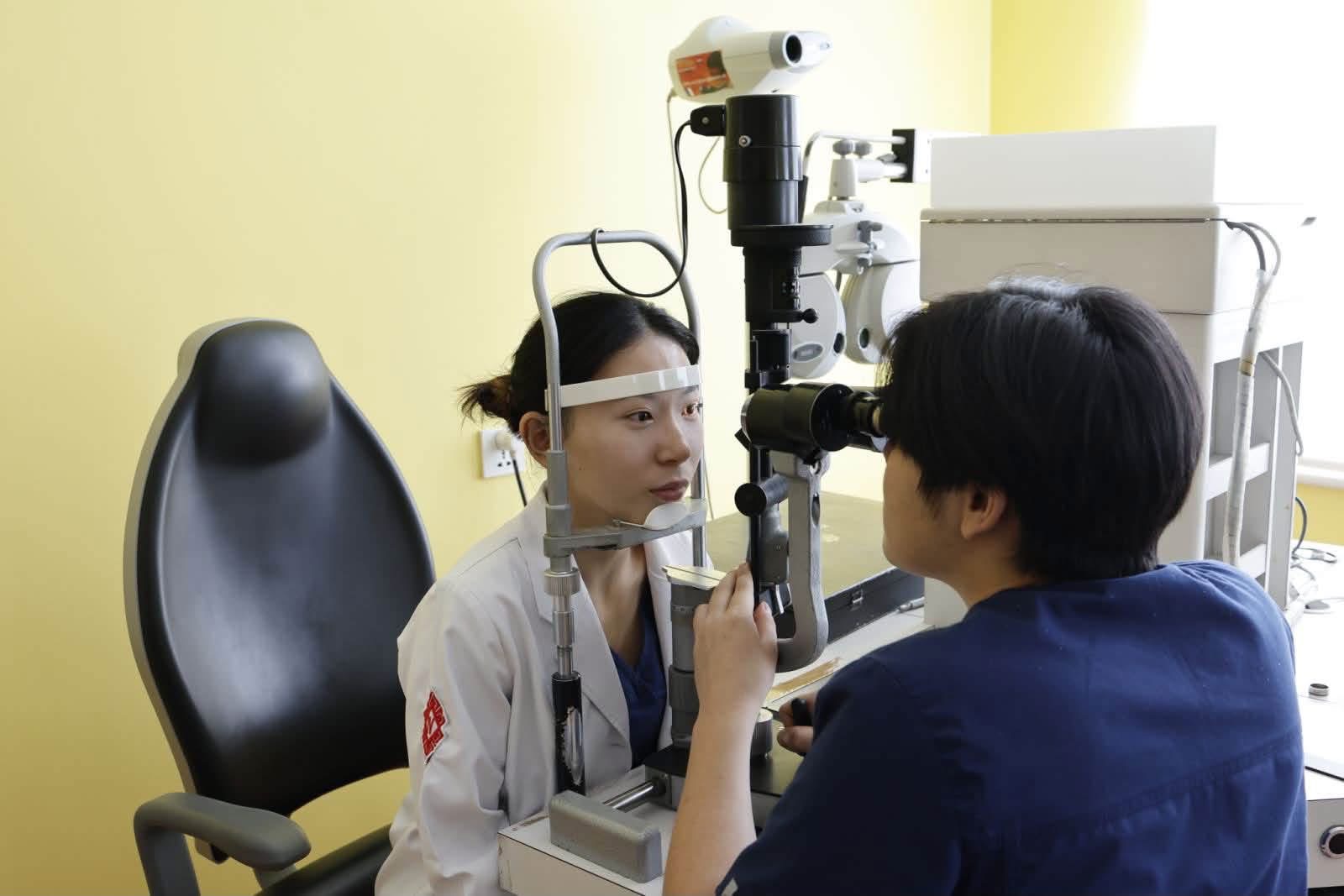
During the visit, Minister L. Enkh-Amgalan also reviewed the activities of the Teacher Health Support Center and stressed the need to give particular attention to services aimed at promoting the health and well-being of teachers and staff.
As of June 30, 2026, the Center had provided specialized medical consultations and examinations to 2,130 teachers and staff, of whom 94 received surgical or day-care treatment.
The Center also received 1,947 online requests and provided medical consultations to teachers and staff. In addition, 14 online specialized medical consultations were organized for teachers and staff working in Sukhbaatar, Selenge, Khentii, Arkhangai, Orkhon, Zavkhan, Uvs, and Khuvsgul provinces.
Going forward, efforts will focus on expanding the activities of the Teacher Health Support Center and improving access for teachers and staff to preventive examinations, early detection, and specialized medical services. Particular attention will be given to increasing opportunities for teachers and staff working in rural areas to receive consultations from specialized doctors online.
The university hospital system of MNUMS is developing as an integrated system that goes beyond providing medical care to also train doctors, nurses, and other healthcare professionals, conduct clinical research, introduce new technologies, and promote their localization in Mongolia.
Through these efforts, Mongolia aims to strengthen a university hospital system that integrates human health, human resource development, education, and research—from supporting the health of teachers to reducing the number of citizens seeking medical treatment abroad.