Social surveys indicate that Mongolian children are experiencing challenges in language development and vocabulary, with some children starting to speak later and having difficulty expressing themselves.
For example, the average score for the language development component of the school readiness assessment has stood at 67.8 percent over the past two years, indicating that approximately three out of every ten children are not adequately prepared for school in terms of language development.
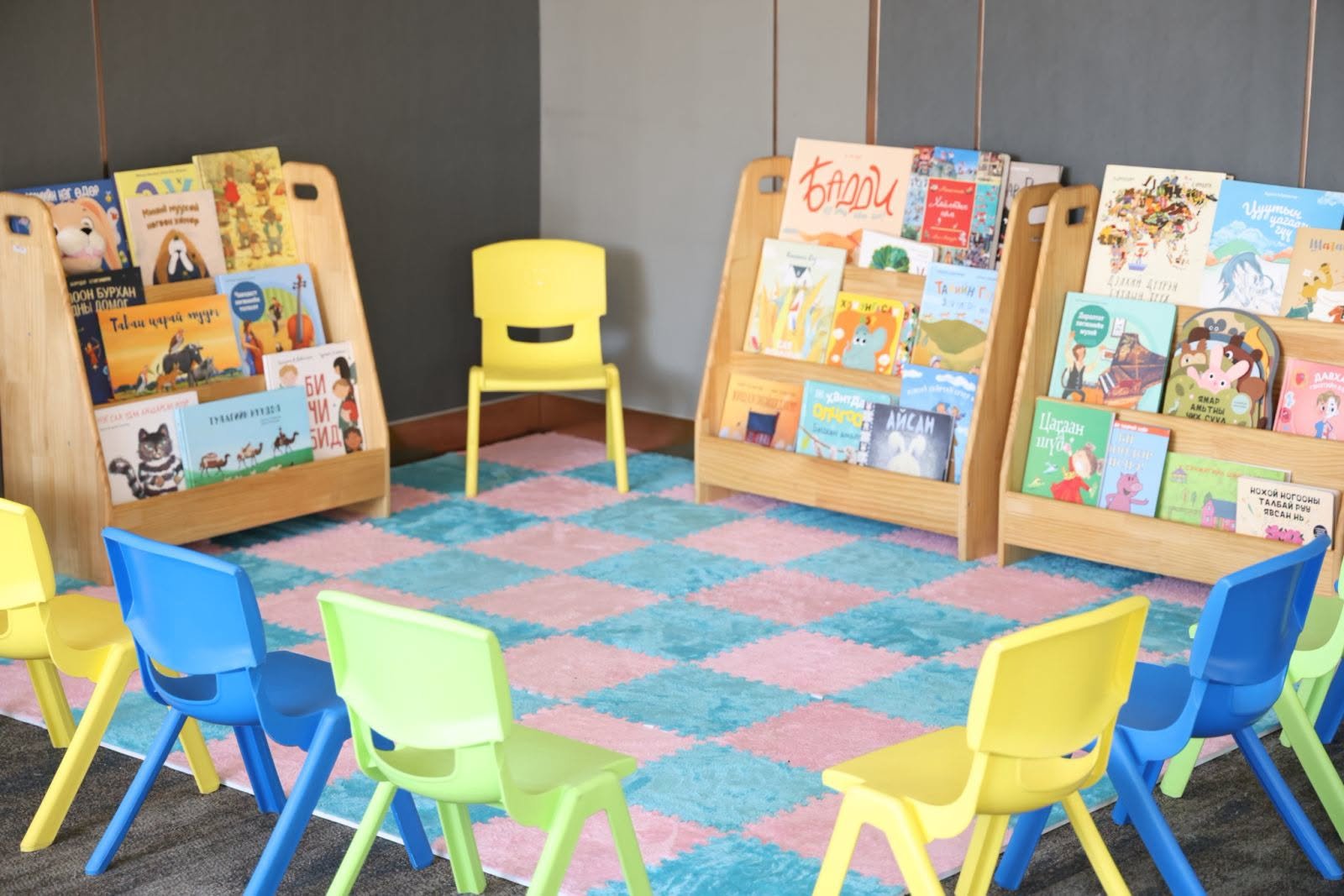
As the brain develops most rapidly during the first five years of life, growing up surrounded by books can have a positive impact on children’s language, social and cognitive development, while laying a strong foundation for future learning and quality of life.
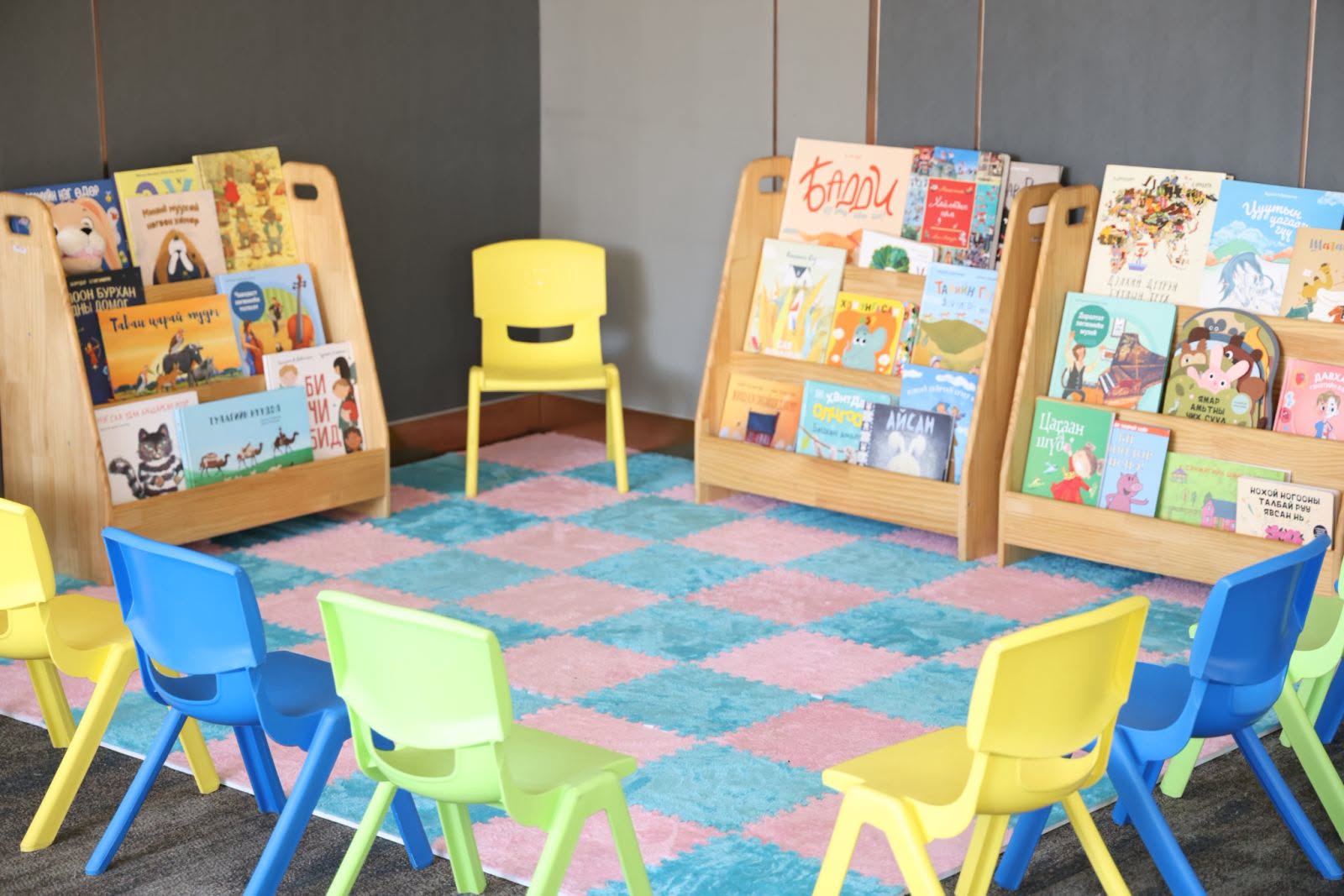
Regular reading can help children:
- Develop richer language skills: Children who regularly listen to books tend to build their vocabulary more quickly and improve their ability to express themselves.
- Develop emotional skills: Through the actions and emotions of characters, children learn to understand others, develop empathy, and recognize their own emotions.
- Prepare for school: Early development of foundational literacy skills, such as recognizing letters and distinguishing sounds, helps children adapt more successfully to school.
- Build strong family bonds: Reading together not only supports learning but also creates a warm and secure environment that strengthens the bond between parents and children.
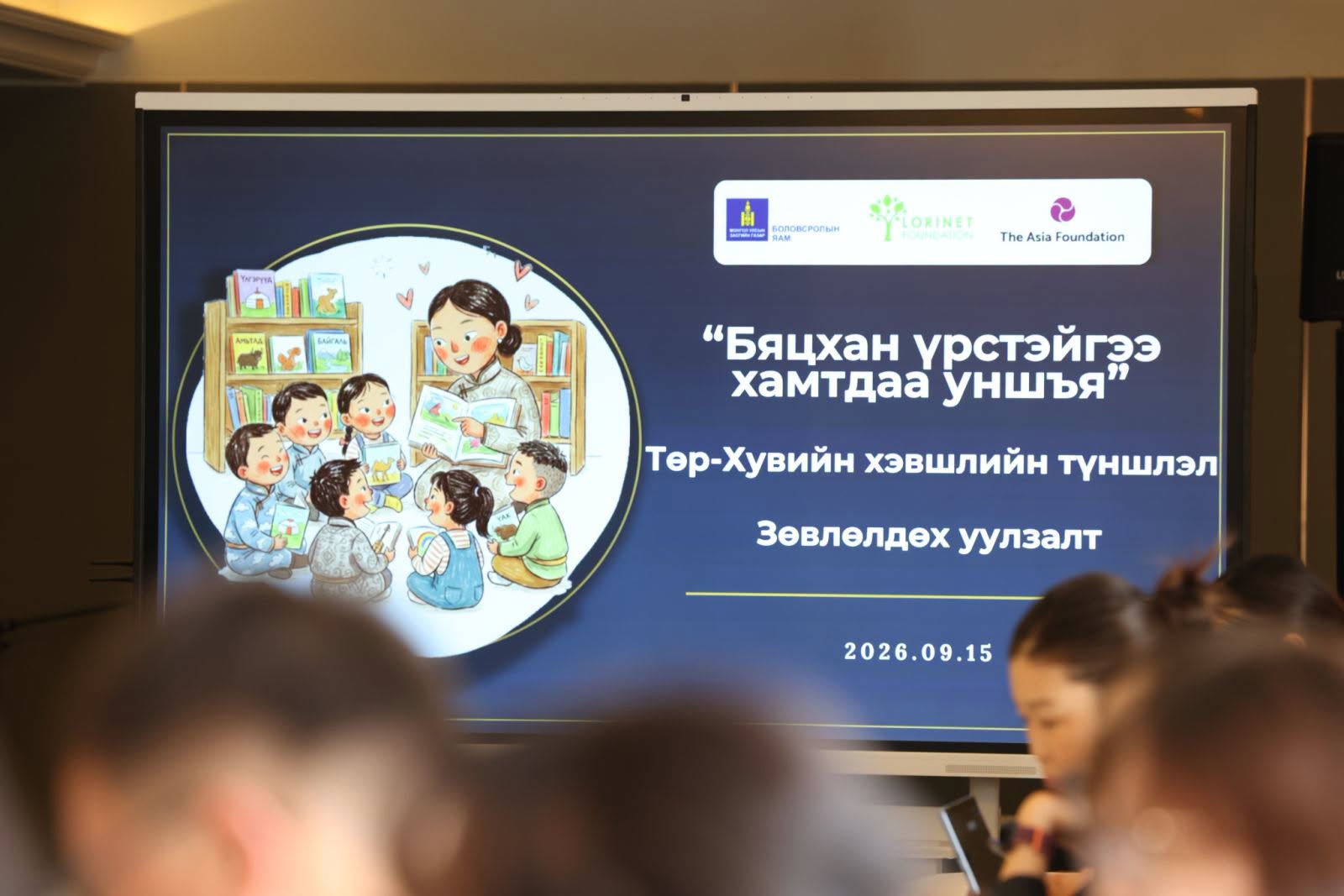
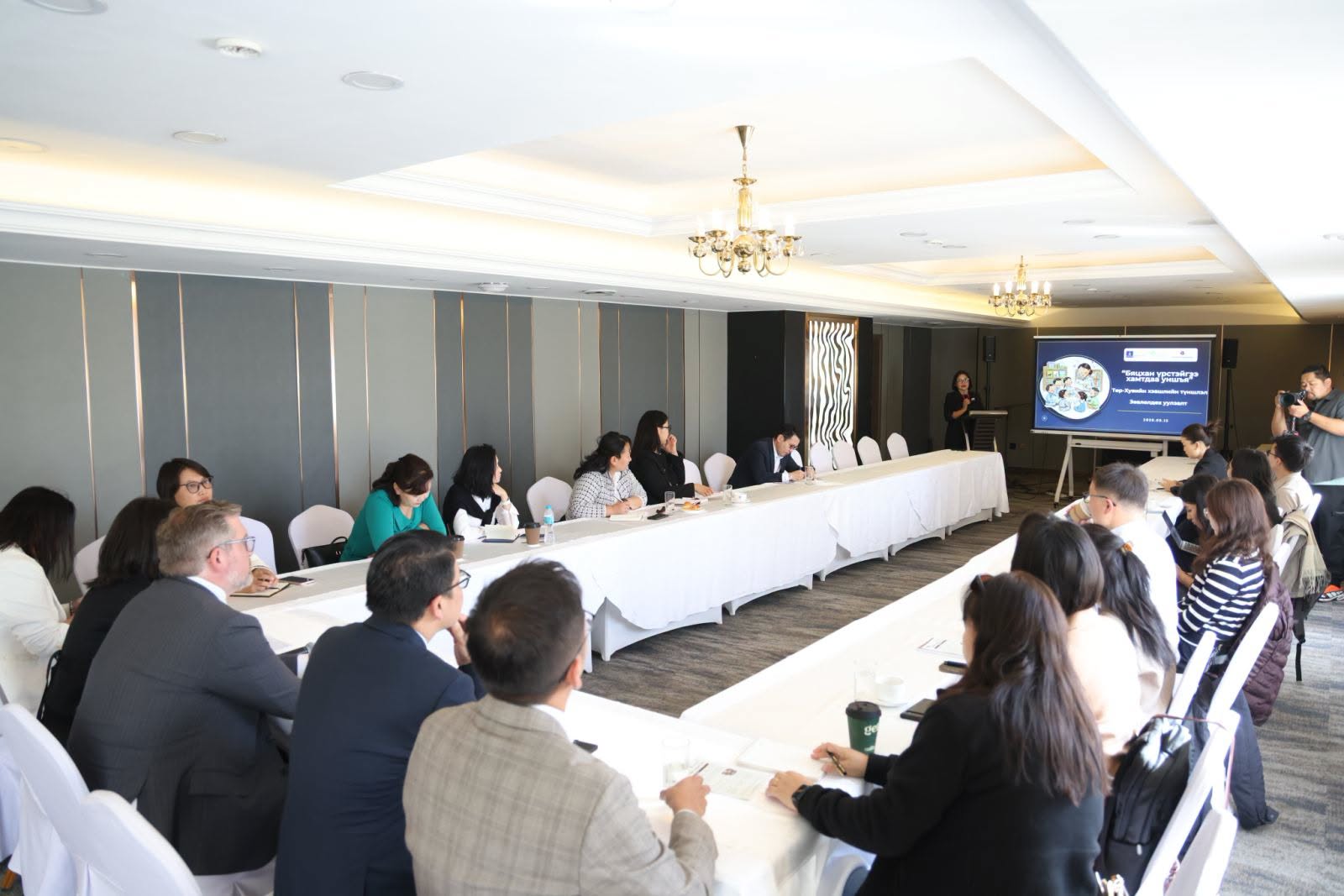
In this context, the Ministry of Education, in cooperation with The Asia Foundation, held a consultation meeting with private-sector representatives to discuss opportunities for increasing private-sector engagement in initiatives supporting early childhood development.
The meeting marks an important step toward strengthening partnerships between the public and private sectors in support of social well-being and creating greater opportunities for Mongolia’s children to grow, learn and develop with books from an early age.