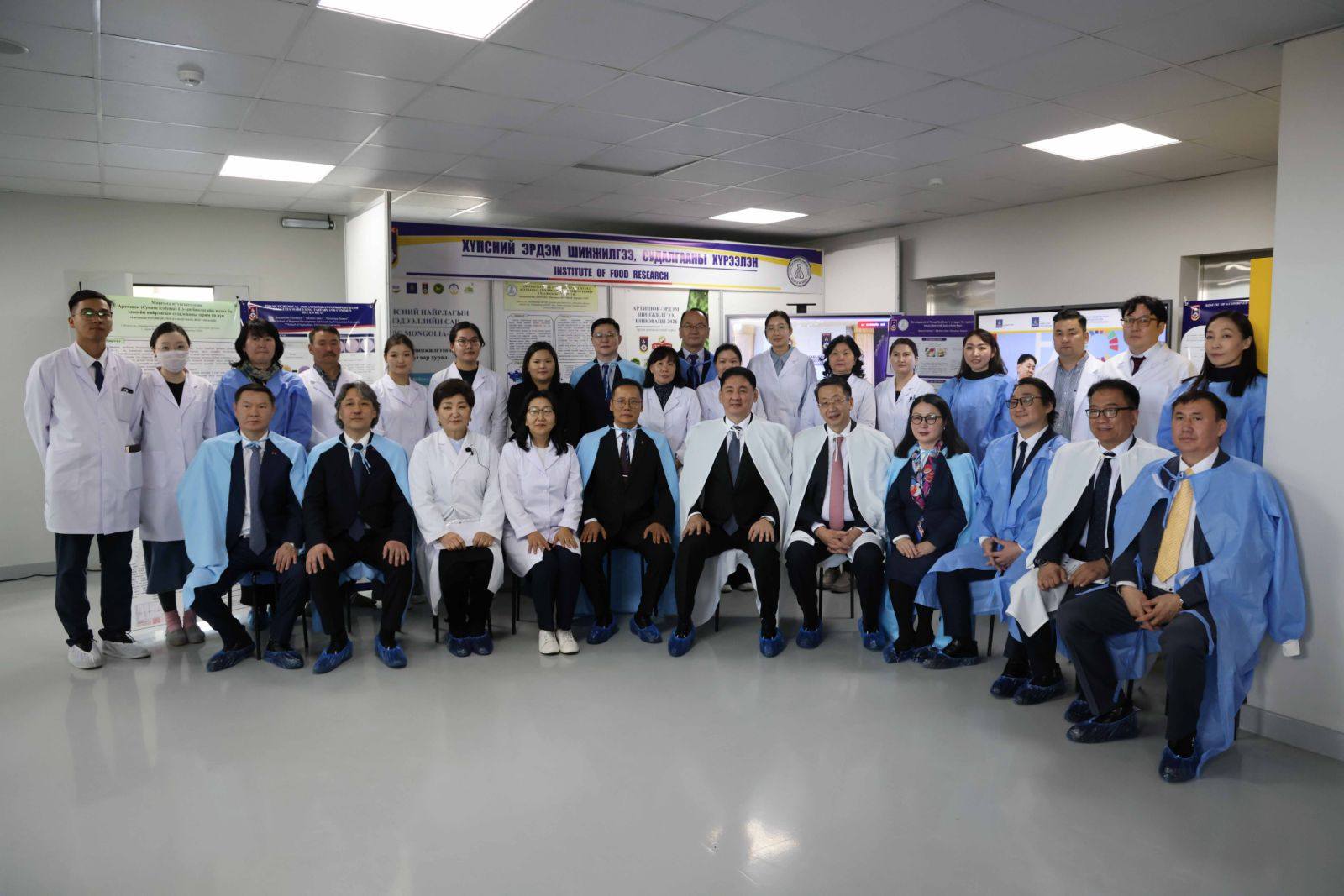
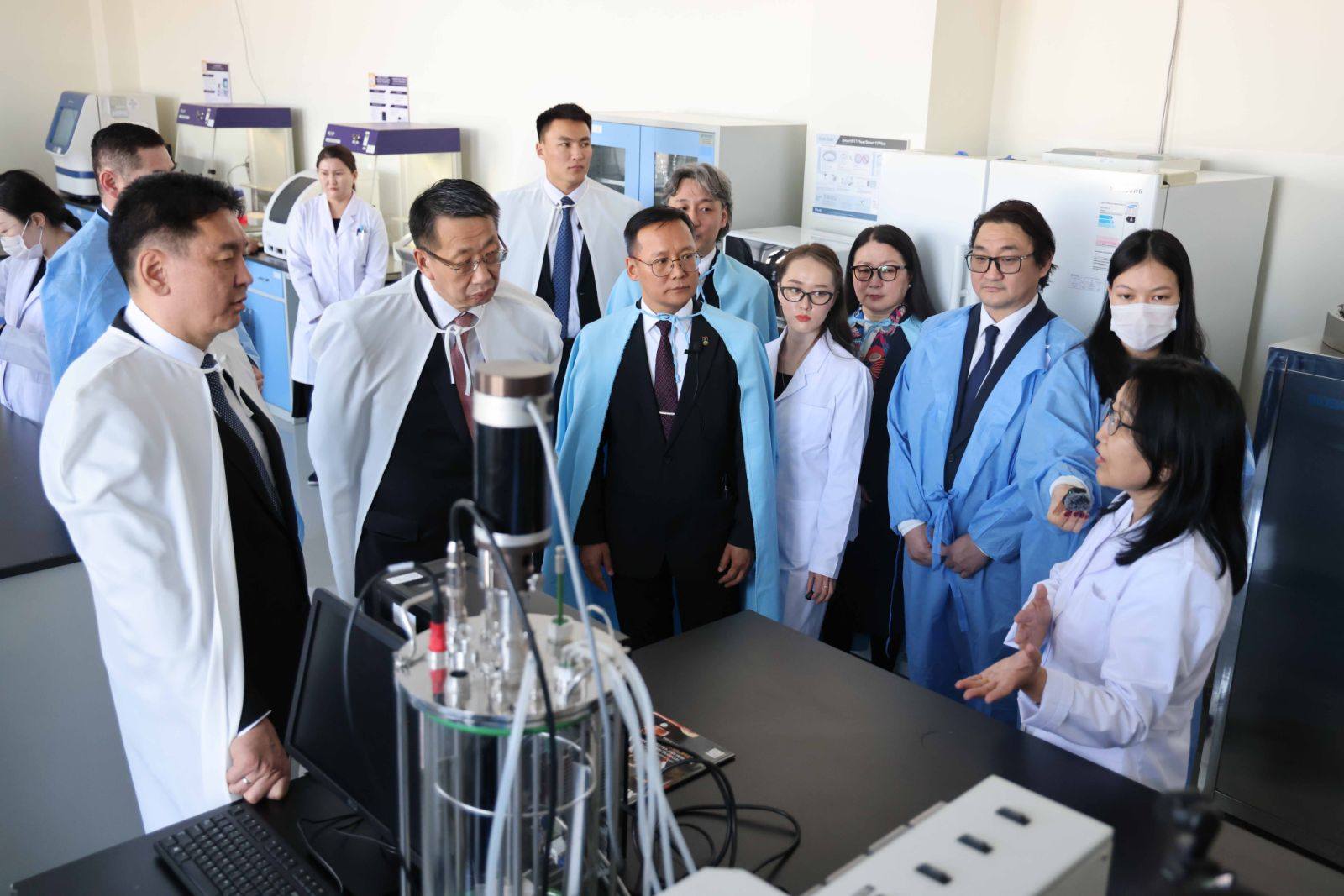
President of Mongolia U.Khurelsukh, Member of Parliament and Minister of Education L.Enkh-Amgalan, Member of Parliament S.Lundeg, and Vice Minister of Economy and Development S.Davasuren visited the Food Research Institute at the Mongolian University of Science and Technology (MUST) as part of the "Food Revolution" national movement.
The President of Mongolia announced that the government will provide the necessary funding for establishing a unified database, conducting research and analysis, and procuring equipment, as well as providing dedicated facilities that meet international standards.
Minister of Education L.Enkh-Amgalan emphasized that in addition to enhancing the skills of scientists, a comprehensive research environment that meets modern requirements is essential.
Although Mongolia previously had a "Food Research and Design Institute," it was privatized during the transition to a market economy, leaving the food and catering sector without a specialized research organization until now. Consequently, the Food Research Institute was established by Government resolution in 2024.
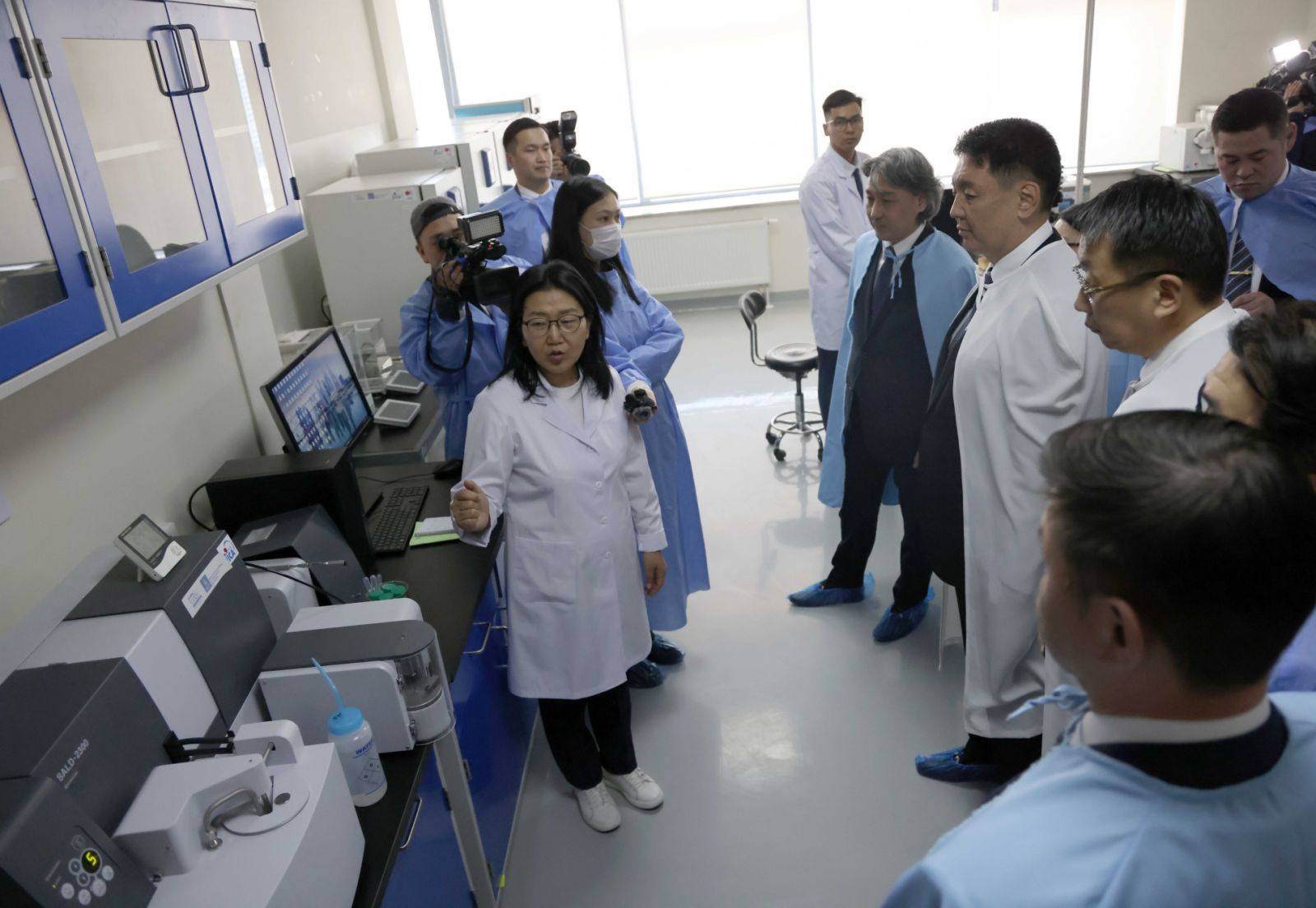
The Institute currently operates laboratories for Food Chemistry, Rheology, Product Development, Instrumental Analysis, and Molecular Biology. Its core activities include:
- Supporting research, technology development, and innovation for import-substituting, nutritious, and health-promoting new products;
- Establishing and enriching a food composition database. Currently, 12 countries in Asia, among many others globally, maintain unified food composition databases;
- Conducting molecular biology research;
- Implementing, calibrating, and localizing high-sensitivity instrumental analysis methodologies.
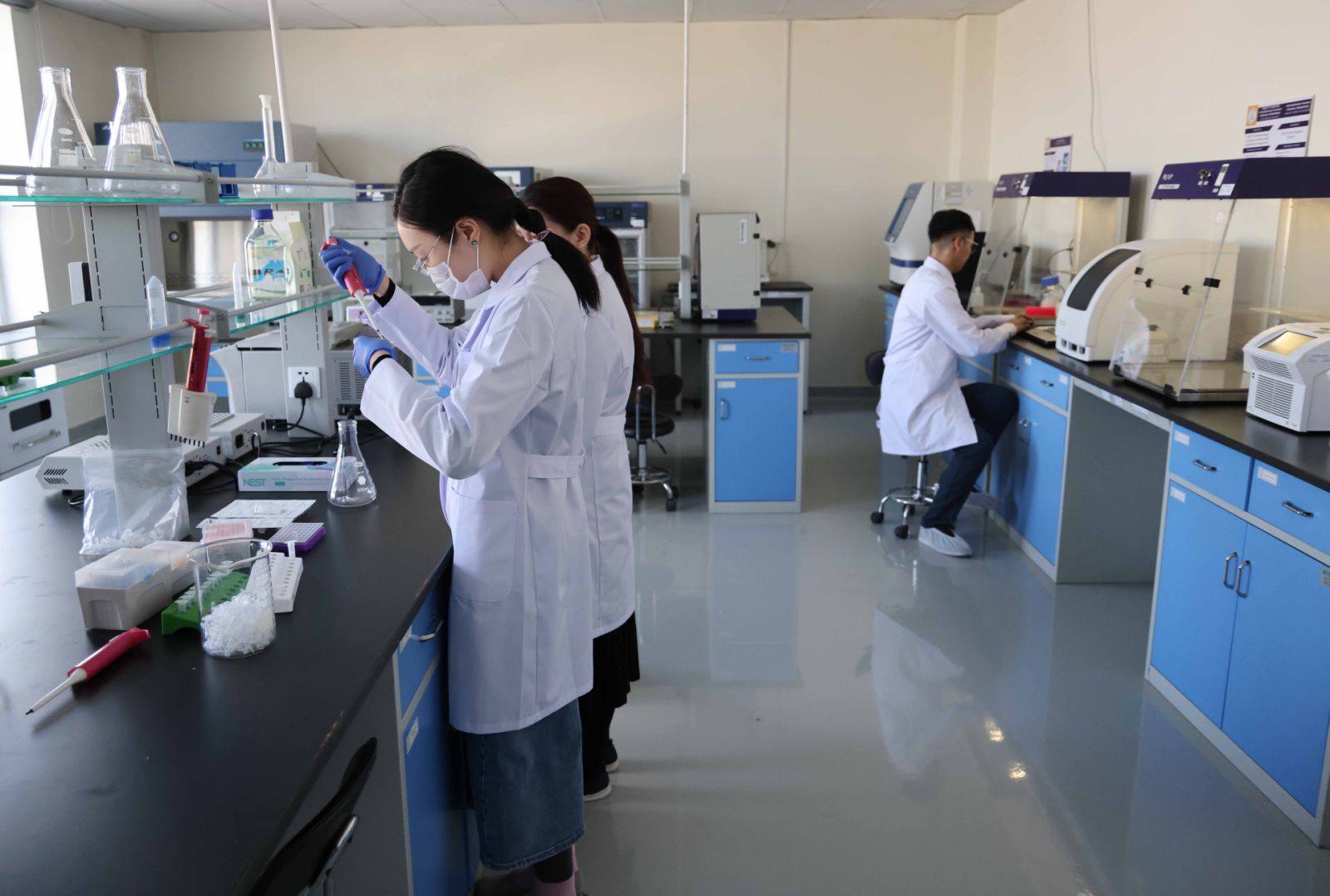
This database is considered vital as it provides baseline data for public nutrition education and the development of food and agricultural production. Furthermore, it supports food exports and increases the value of national products by realistically assessing their content and nutritional value.
Due to the lack of a comprehensive research environment and specialized personnel, Mongolia has not yet joined INFOODS—the international network of food composition databases under the Food and Agriculture Organization (FAO) of the United Nations.
Therefore, it is necessary to strengthen and specialize human resources, provide high-sensitivity instruments and equipment, and expand overall capacity.