
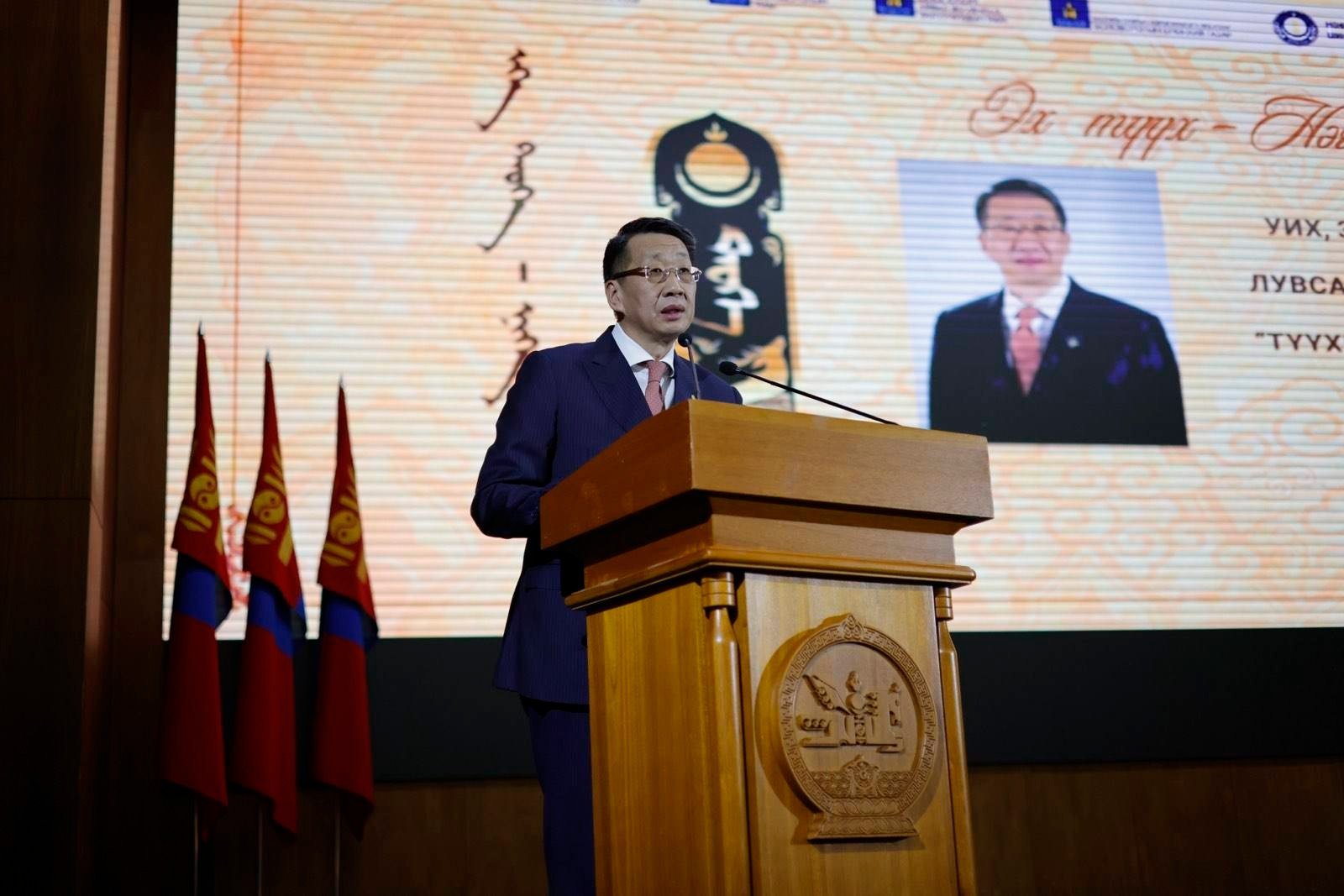
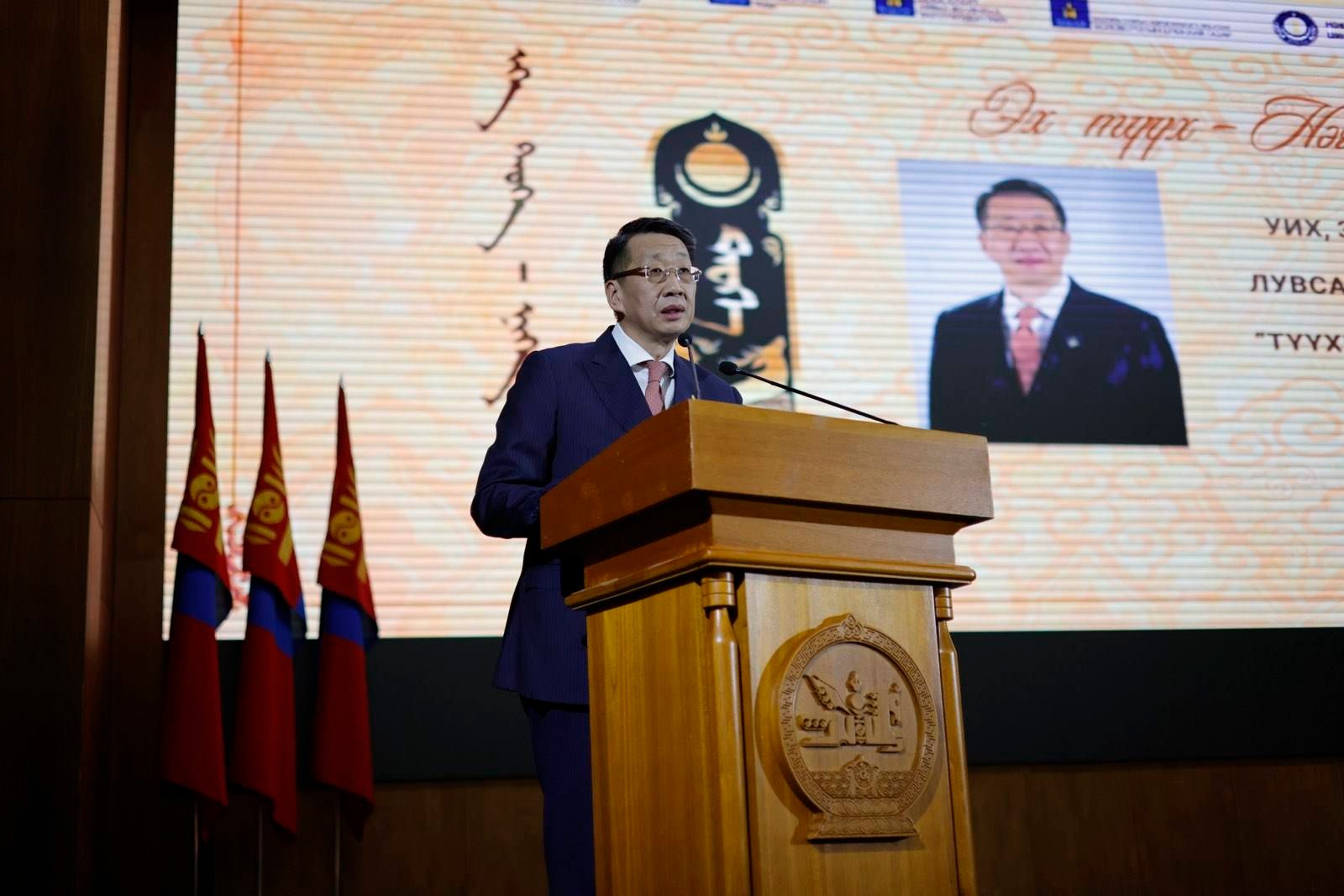
Under the auspices of the President of Mongolia, the First National Consultative Meeting of History Teachers was held under the theme: "Should We Teach History or Provide an Understanding of Time?"
Minister of Education L.Enkh-Amgalan delivered a keynote presentation during the event.
The Minister noted that the issue today is not that children are unable to perceive or understand the causes, essence, and patterns of historical events; rather, the problem lies in the content we provide and the methodology used to deliver it. It is time for us to reflect on and change this approach.
Every child internally asks one fundamental question: "How does this relate to me?" If we cannot answer this question, even the best content and the vastest knowledge will seem valueless to them. This is a critical signal that teachers must recognize today.
Unless past historical events are linked to today's reality - human decisions, social changes, and individual choices - history will never feel "alive" to a child; it will remain merely a collection of "facts."
In such a context, it is not a mistake that children are uninterested in history. Rather it is a logical reaction. Teachers know better than anyone that people do not maintain focus on things in which they find no meaning or relevance.
Therefore, we must not view the problem as a lack of interest from the students. Instead, we must implement radical changes where the meaning, connectivity, and delivery methods of history education are lacking. Following the discussions in the breakout sessions, the Minister expressed confidence that these effective dialogues will transition into real-world pedagogical practices.
The First National Consultative Meeting was attended by 630 participants, including history teachers from general education schools, vocational and technical education institutions, and universities; historical researchers and scientists; specialists and researchers from the Ministry of Education, the General Authority for Education, and the Mongolian National Institute for Educational Research; as well as methodologists from provincial and capital education departments and museum education officers.
